The animals
Sand tiger sharks, sawfish, green turtles, cownose rays. Who hangs at the glass, who feeds on the operator’s clock, and the jellyfish gallery I still walk twice.
This website is an independent planning guide, not affiliated with any aquarium or its operator.
 The Shark Tunnel Guide
field notes on the animals that use the acrylic
The Shark Tunnel Guide
field notes on the animals that use the acrylic
Cameron Doyle · Retired marine biologist · thirty years in public tanks
Field notes
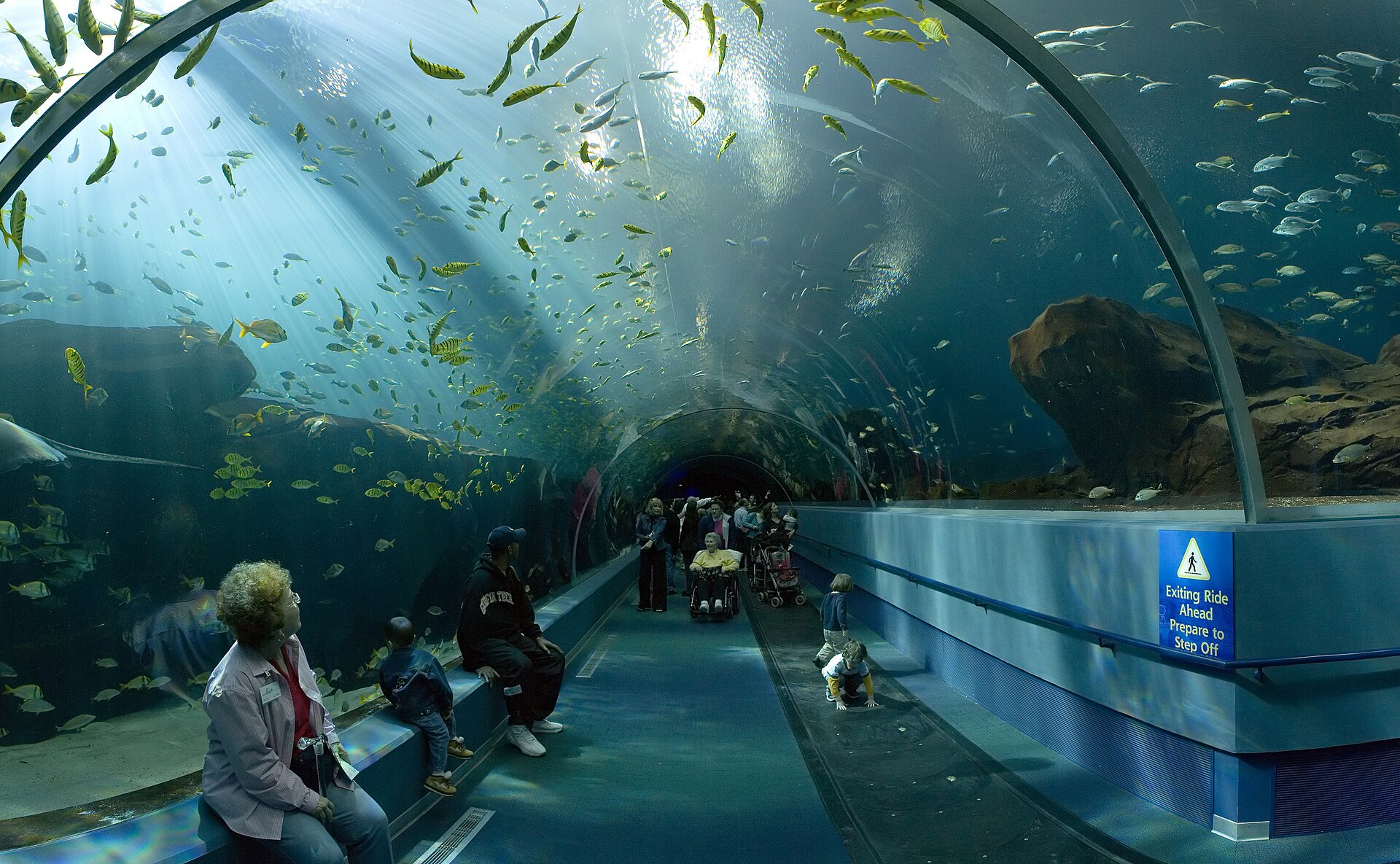
I spent thirty years watching elasmobranchs in public tanks. These pages are about the animals in the main exhibit — how they use the water column, where they rest, and why a shark tunnel works as architecture rather than as a trick.
I live in Toronto now. The building sits downtown, a short walk from Union Station. I come on weekday mornings, stand still, and wait. That is the whole method.
Sand tiger sharks, sawfish, green turtles, cownose rays. Who hangs at the glass, who feeds on the operator’s clock, and the jellyfish gallery I still walk twice.
Ninety-six metres of acrylic, a moving walkway, a bypass for anyone who hates a belt. Why sharks swim over the tube instead of through it.
I do not sell tickets. I do not hold inventory. Hours, closures, and timed entry belong to the operator. If a Saturday crush or a café that is merely fine would change your day, I say so on Planning.
Cameron Doyle · notes from the glass, not a box office