
Species
The animals, not the queue
The main reservoir is a mixed community. That matters. Sand tigers are not hunting the turtles. Sawfish are not performing. A public aquarium this size is a managed habitat with feeding windows the keepers set. You are a guest in their geometry.
Sand tiger sharks
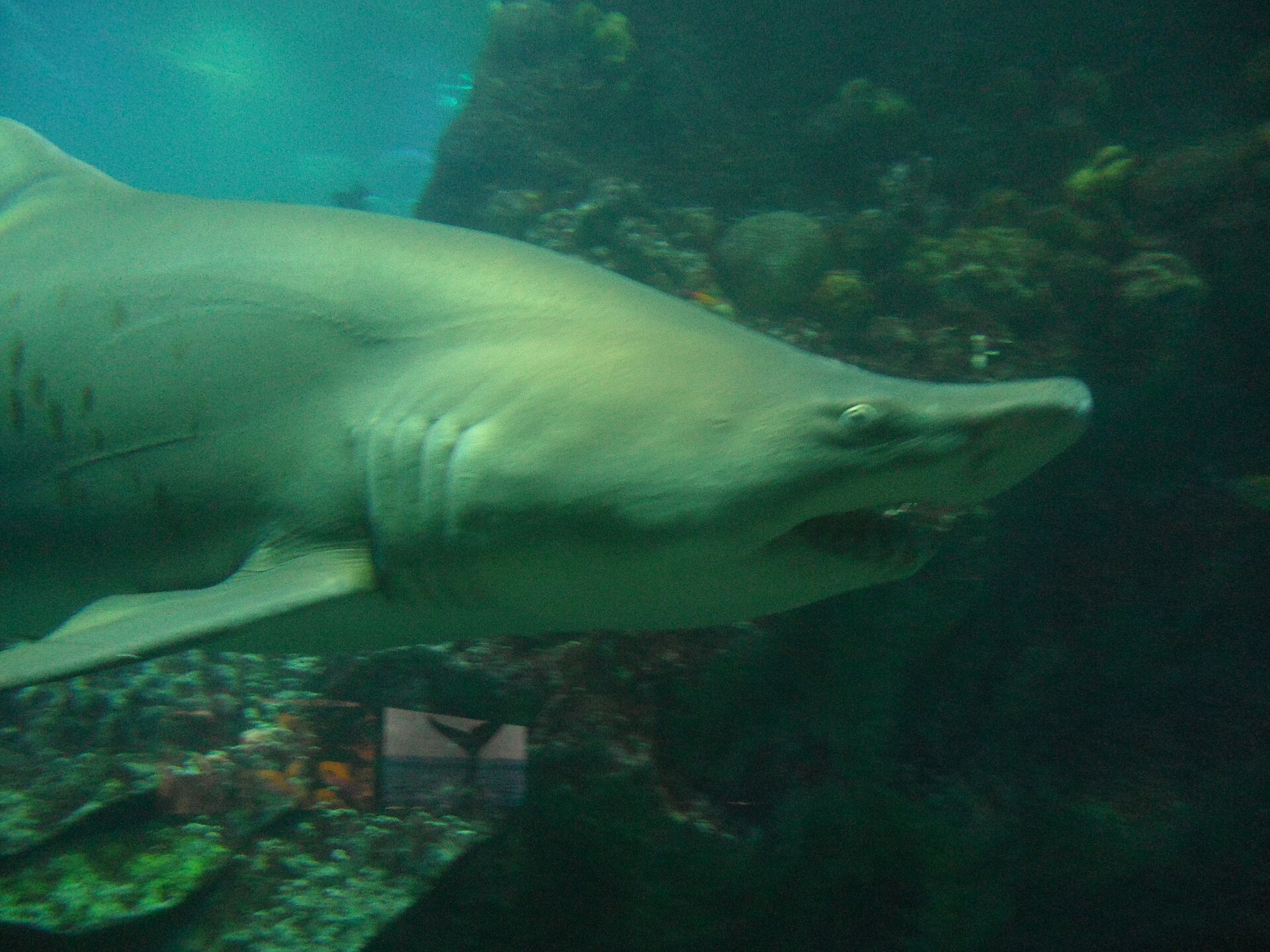
Look for a long, snaggle-toothed profile moving slowly, often mid-water rather than hugging the bottom. Sand tigers gulp surface air and hold it in the stomach. That is why they look so still: they are closer to neutral buoyancy than most requiem sharks. At the glass they will sometimes turn a full circle and come back. That is curiosity, or a current they like, not a show cue.
Sawfish
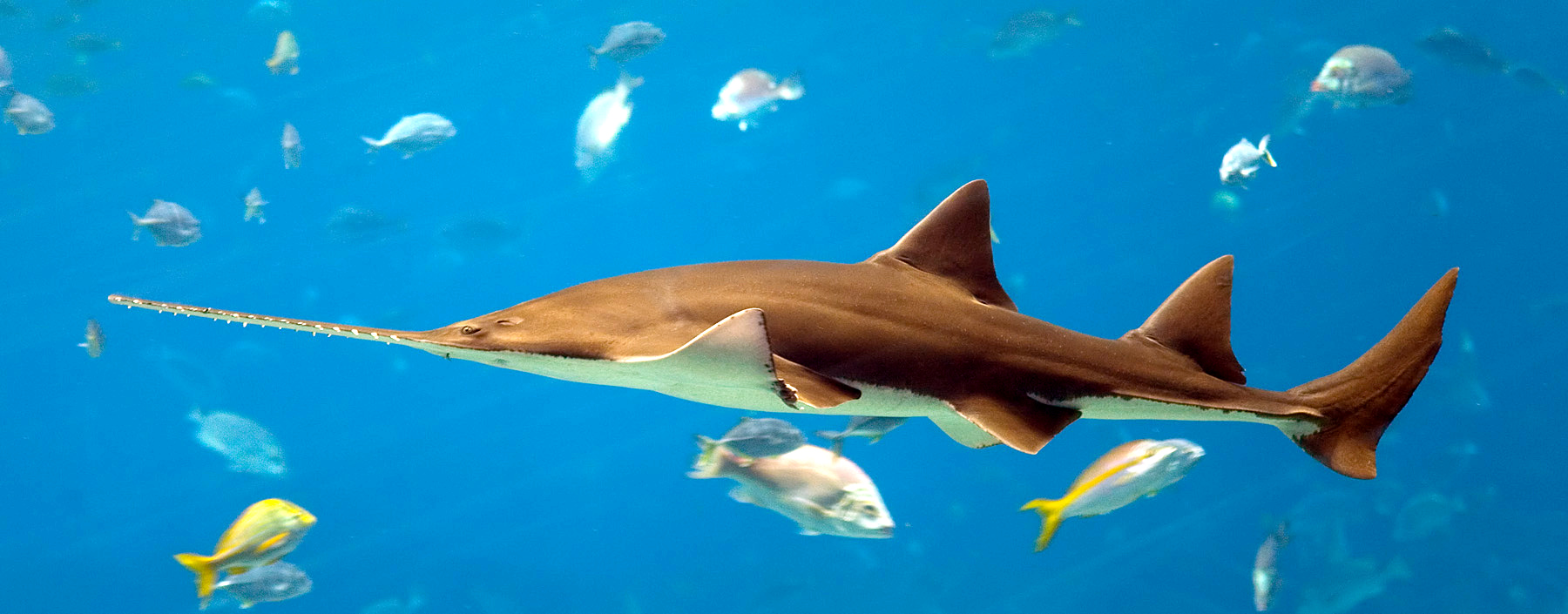
Largetooth sawfish use the rostrum to pin and slash. In a display tank they spend long stretches on the sand. If you only glance from the walkway you will miss them. Stand at the side windows and look down. A moving saw through a patch of rays is worth the wait; it is not guaranteed.
Green turtles
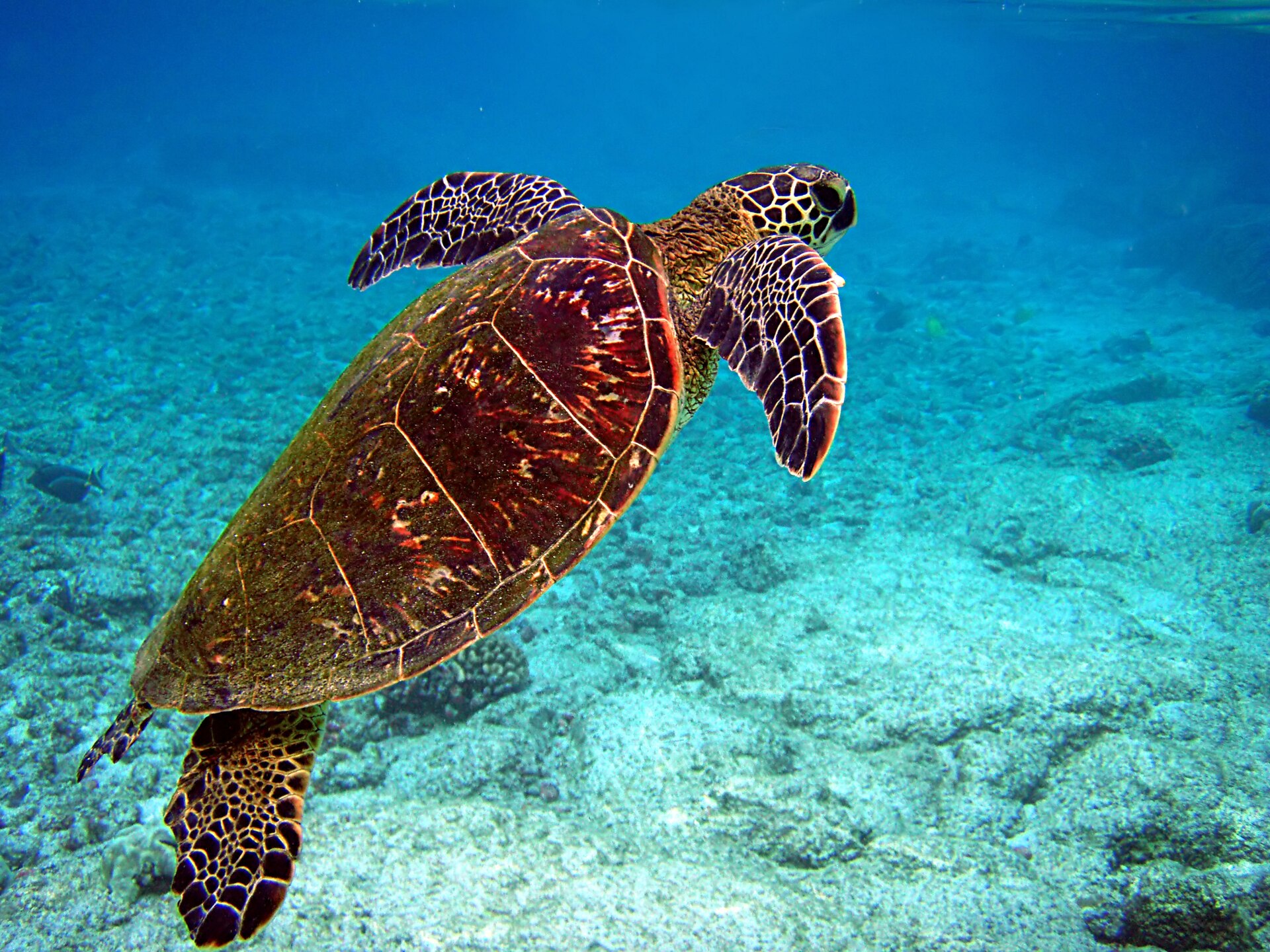
Green turtles cruise, then angle up for a breath. In a deep tank that breath can happen far from the tube. They are the animals visitors swear they “didn’t see,” because people look for sharks. Watch the upper third of the water. A shell passing over the tunnel is the moment most people remember, and it is luck as much as timing.
Rays
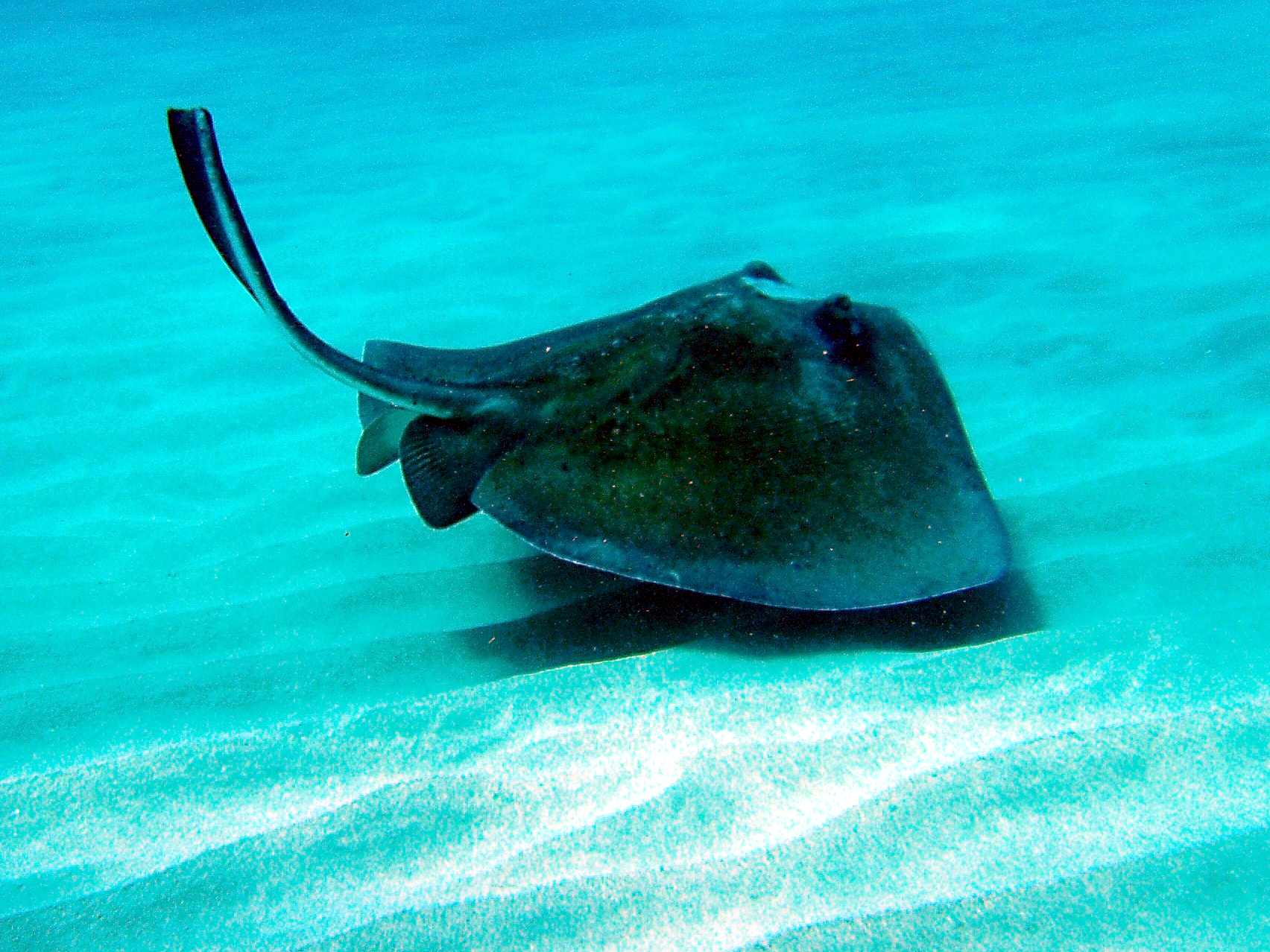
Cownose rays often travel in loose groups through mid-water. Southern stingrays sit. If you want faces at the glass, the sand is more reliable than the tunnel ceiling. Do not tap. They feel vibration through the substrate; tapping only teaches them that people are noise.
Jellyfish, separately
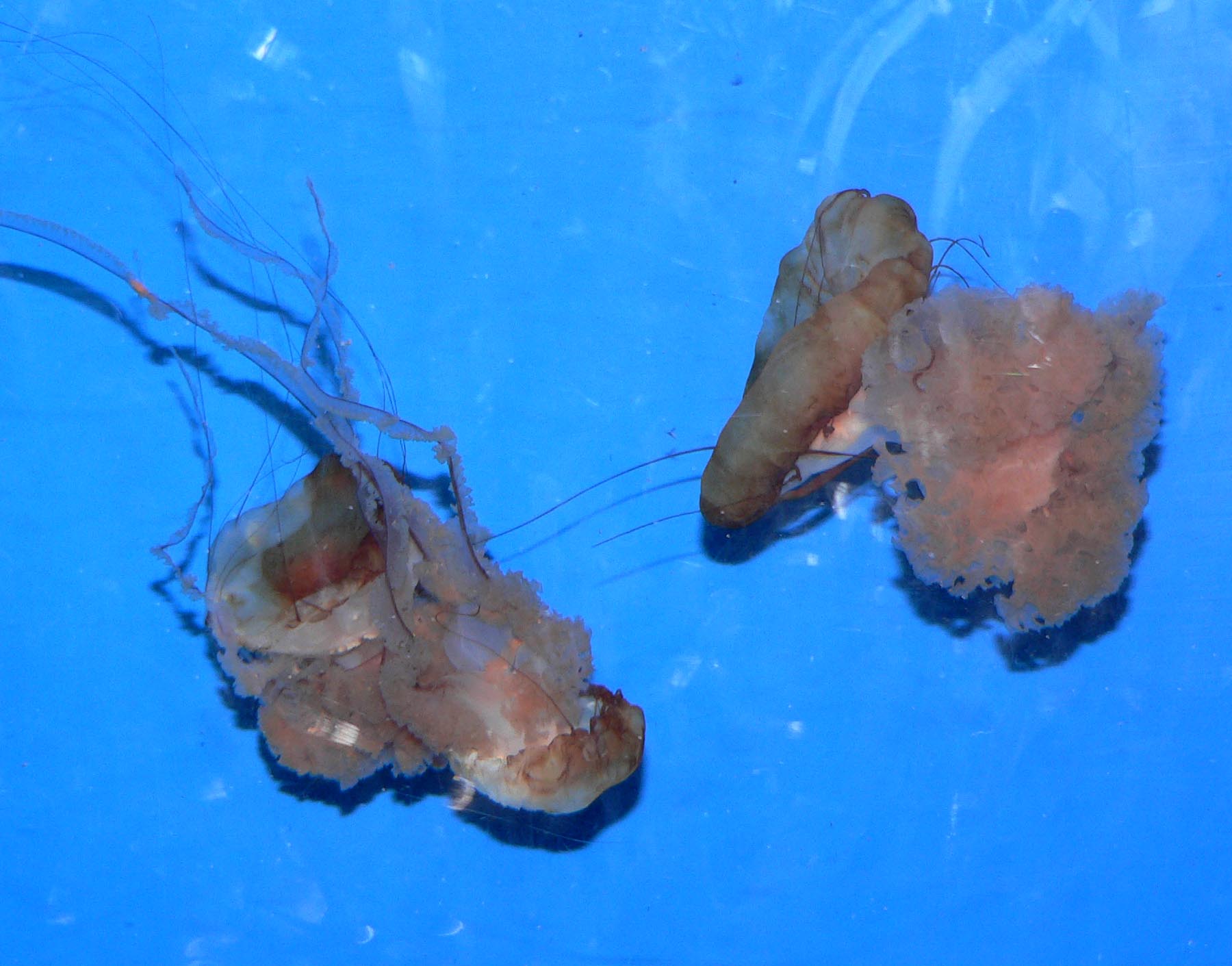
The jellyfish gallery is not the main reservoir. It is a set of kreisel tanks — circular flow so bells do not shred on corners. Sea nettles, moon jellies, the odd species rotation. There is no feeding spectacle here. There is pulse, drift, and light. I walk it last, when my eyes are tired of scanning for fins.
Animals hide. A weekday morning improves the odds; it does not write a script. If you need a guaranteed overhead pass, you will leave disappointed. That is biology, not a failing of the building.
Cameron Doyle · notes from the glass, not a box office